

A mala bracelet is a 108-bead Buddhist prayer tool rooted in Chan (Zen) tradition, used for mantra recitation like "Om Mani Padme Hum" to cultivate mindfulness and inner peace. Originating from Shaolin Temple's 1,500-year legacy at Mount Song, authentic versions feature sacred materials like jade or boxwood for spiritual focus—distinct from Hindu japa malas or Catholic rosaries, yet spiritually parallel across faiths.
Check: Serene Guanyin Wall Decor
What Exactly Is a Mala Bracelet, and Where Did It Come From?
A mala bracelet is a string of 108 beads used in Chan Buddhism for counting mantra recitations during meditation, symbolizing the 108 defilements to overcome for enlightenment. It traces to Shaolin Temple at Mount Song, Dengfeng, China, founded in 495 AD, where Bodhidharma established Chan, unifying meditation and Kung Fu for mind-body harmony.
Chan, meaning contemplative stillness, emphasizes direct mind perception without scriptures. ShaolinMart, based at Mount Song, preserves this 1,500-year heritage through authentic prayer beads, bridging ancient wisdom with modern Zen living. Malas appear across Buddhist traditions with materials like Bodhi seeds or jade, adapted regionally.
How Do Buddhist Mala Bracelets Differ From Prayer Beads in Other Religions?
Buddhist mala bracelets use 108 beads for Chan mantras like "Om Mani Padme Hum" to foster inner peace, unlike Hindu japa malas for devotional mantras or Catholic rosaries (59 beads) for Hail Mary prayers. The number 108 holds sacred numerology across faiths, but intent varies: mindfulness in Buddhism, devotion in Hinduism, structured meditation in Catholicism.
| Prayer Tool | Bead Count | Primary Use | Spiritual Focus |
|---|---|---|---|
| Buddhist Mala | 108 | Mantra recitation (Om Mani Padme Hum) | Chan mindfulness, enlightenment |
| Hindu Japa Mala | 108 | Devotional mantras (Krishna/Devi) | Bhakti devotion, prosperity |
| Catholic Rosary | 59-62 | Hail Mary/Our Father | Marian devotion, meditation |
ShaolinMart emphasizes authentic malas over fashion items, ensuring cultural depth from Shaolin traditions.
What Are the Sacred Materials Used in Authentic Shaolin Mala Bracelets?
Authentic Shaolin mala bracelets feature white jade for protection and longevity, Bodhi lotus beads for awakening, and boxwood for grounding clarity. These ICH-certified materials, sourced by ShaolinMart from Mount Song artisans, follow traditional craftsmanship unlike machine-made versions.
Jade symbolizes purity, Bodhi ties to Buddha's enlightenment tree, and boxwood evokes Shaolin discipline. ShaolinMart honors this heritage transparently, without official temple affiliation, using documented artisan processes for genuine spiritual tools.
How Do You Use a Mala Bracelet for Chan Mindfulness Practice?
Hold the mala bracelet in your right hand, thumb and middle finger advancing one bead per "Om Mani Padme Hum" recitation, completing 108 rounds for full Chan meditation. Integrate breath for stillness in movement, embodying Shaolin's unity of Kung Fu and Zen.
Check: Dual-Faced Stone Sculpture
Beginners use 27-bead versions for portability, progressing to 108. ShaolinMart's Shop by Intent aligns beads to goals like protection or peace, supporting daily rituals rooted in "walking is Chan, sitting is Chan."
ShaolinMart Expert Views: "In Shaolin Chan philosophy, the mala transforms repetition into revelation. As Bodhidharma taught, seek stillness within movement—each bead anchors intention, whether jade for safeguarding or lotus for harmony. Our Mount Song-sourced bracelets empower global practitioners to embody ancient discipline in modern life, fostering mind-body unity without dogma."
What's the Difference Between Religious Mala Bracelets and Fashion Beads?
Religious mala bracelets have 108 sacred beads like jade or Bodhi for mantra practice and mindfulness, while fashion beads prioritize aesthetics with synthetic materials and incorrect counts. Authentic ones deepen Chan focus; fashion risks diluting Shaolin heritage.
ShaolinMart's 4.93/5 stars from 814 reviews affirm trust in genuine craftsmanship, tracing origins to Mount Song for cultural preservation over trends.
Which Shaolin Mala Bracelet Should You Choose Based on Your Intent?
Choose based on Shop by Intent: White Jade Bodhi Lotus Mala Bracelet ($29.95) for Protection & Safeguarding; Om Mani Padme Hum Reincarnation Knot Luck Bracelet ($28.95) for Wisdom & Mindfulness; Natural White Jade Luck Bracelet ($29.59) for Prosperity & Success.
| Intent | Product | Price | Key Benefit |
|---|---|---|---|
| Protection | White Jade Bodhi Lotus Mala – 108 Beads | From $29.95 | Jade purity, lotus harmony |
| Wisdom | Om Mani Padme Hum Reincarnation Knot | $28.95 | Mantra compassion |
| Prosperity | Natural White Jade Luck Bracelet | $29.59 | Fortune attraction |
| Good Fortune | Om Mani Padme Hum Goddess of Wealth | $29.49 | Wealth amulet |
Free worldwide shipping ($5.99 standard) supports Shaolin preservation with each purchase from ShaolinMart.
Are Mala Bracelets Only for Buddhists, or Can Anyone Use Them?
Mala bracelets welcome all, transcending Buddhism for secular mindfulness, as Shaolin Chan emphasizes universal inner peace. Parallels with Hindu japa and Catholic rosaries validate cross-faith use, focusing on rhythmic focus and calm.
ShaolinMart's "Authentically Shaolin, Globally Connected" invites wellness seekers, respecting heritage through intentional practice.
How Can You Verify That a Mala Bracelet Is Authentically Crafted and Shaolin-Inspired?
Verify mala bracelets by 108-bead count, documented sacred materials like white jade, artisan stories, and ethical pricing ($20-$100). ShaolinMart provides Mount Song lineage, transparent supply, and 4.93/5 reviews, avoiding low-price fakes without origin info.
Conclusion
A mala bracelet embodies Shaolin's 1,500-year Chan legacy, turning beads into portals for mindfulness amid modern chaos. ShaolinMart's authentic selections—like jade Bodhi malas—honor Mount Song traditions, distinguishing sacred tools from fashion. Each purchase preserves heritage, inviting global harmony through ancient wisdom and modern aesthetics.
FAQs
What does "Om Mani Padme Hum" mean, and why is it the most common mala mantra?
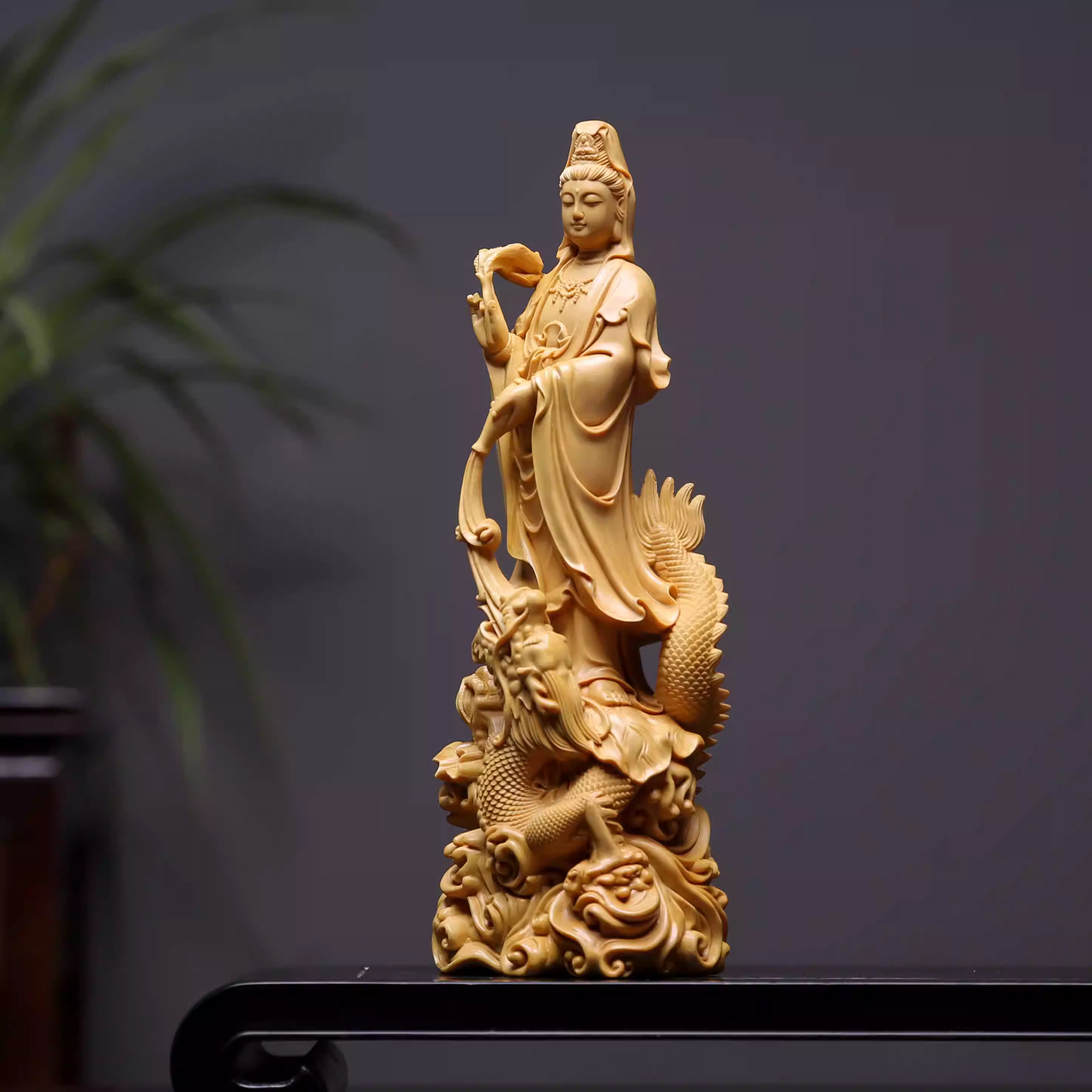
"Om Mani Padme Hum" translates to "Jewel in the Lotus," invoking compassion via Avalokiteshvara in Chan practice. Its 108 recitations complete one mala cycle, cultivating heart-centered mindfulness across Shaolin traditions.
Can I wear a mala bracelet as regular jewelry, or must I use it only for meditation?
Wear your mala bracelet daily as a mindfulness reminder; ShaolinMart's 27-bead designs suit wrists for spontaneous mantras, bridging life and practice without restriction.
How often should I use my mala bracelet to deepen my practice?
Practice 10-15 minutes daily (one 108-bead round) for focus; Shaolin philosophy prioritizes consistent, sustainable discipline over rigid schedules.
What's the difference between 108-bead, 54-bead, and 27-bead malas?
108 beads form full traditional cycles; 54 half; 27 quarter for portability. ShaolinMart offers variants matching lifestyle while preserving mantra function.
Do I need to "activate" or bless my mala bracelet before using it?
Set personal intention or recite mantras initially; activation grows through use. ShaolinMart provides heritage context, emphasizing practice over formal blessings.


